Planning a night under canvas should be simple, yet the glamping cost can swing from around $150 to well over $1,500 per night depending on when you go and what you book. That gap leaves many travelers guessing: is that safari tent a splurge or a steal? The truth is, season, stay type and timing matter just as much as the tent itself.
This guide walks you through what glamping typically costs, from budget tents to luxury domes and resort-style setups, and shows how peak-season pricing can add 30-50% to your bill. You’ll learn why weekend nights often run 20-30% higher than midweek, what actually drives the price of a stay, and when to book for the best rates. We’ll also share practical ways to trim costs without giving up comfort, then help you put together a realistic glamping budget for your next trip.
What Does Glamping Cost on Average?
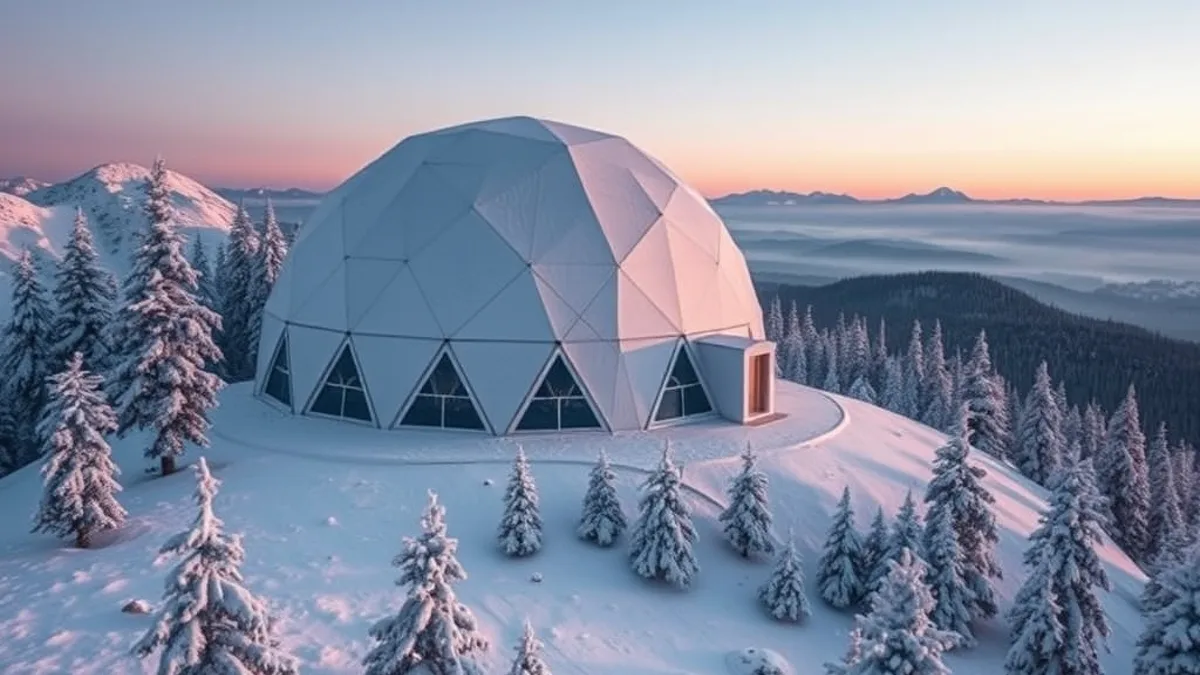
Glamping prices vary widely depending on how fancy your setup is, but most stays fall into one of three tiers. At the budget end, a simple tent or A-frame cabin with real beds and basic furniture typically runs $100-$250 per night. Step up to a geodesic dome, yurt or cabin with more space and better finishes, and you’re usually looking at $250-$500 per night.
At the top of the range, luxury safari tents and resort-style glamping sites typically cost $500-$1,500+ per night. These aren’t just places to sleep — they often come with full-service experiences that feel closer to a boutique hotel than a campsite. Think plush bedding, spa-style bathrooms and staff on hand around the clock. The price gap between tiers comes down almost entirely to what’s included, so it pays to read the amenities list carefully before booking.
A few features that tend to push a site into a higher price bracket:
- Private bathrooms: An en-suite bathroom is one of the biggest price jumps in glamping — shared bathhouses usually signal the budget tier, while private plumbing pushes rates toward mid-range and above.
- Heating and cooling: Climate control extends the usable season of a tent or dome and adds to the nightly rate, especially in regions with cold nights or hot afternoons.
- Catering: Sites that include breakfast, dinners or a stocked kitchen charge for the convenience, which is why food-inclusive stays often sit at the luxury end.
- Views and setting: A unit positioned for a canyon, lake or ocean outlook typically costs more than an identical structure farther from the view.
One practical tip: compare two or three sites in the same area with similar structures before you commit. Rates for nearly identical domes or tents can differ noticeably between operators, and the difference often comes down to extras you may not even want. Decide which amenities actually matter to you — a private bathroom, for example, is hard to compromise on, while a stocked kitchen matters less if you plan to eat out — and pay for those, not for the full package.
How Seasonal Pricing Shapes Glamping Cost
Season is one of the biggest levers on glamping price, often bigger than the difference between a basic tent and a luxury dome. At the same site, the identical unit can carry two very different price tags depending on when you arrive. In the Northern Hemisphere, peak season runs from June through August, and rates during those months can climb 30-50% above shoulder-season pricing. The tent, the view and the hot tub are the same; the calendar is what changed.
Shoulder season is where savvy travelers find value. May, September and October often deliver 20-40% savings compared with summer rates, and in many regions the weather is barely different. Late September in much of the United States still brings warm days and cool, comfortable nights, plus fewer crowds at the site itself. If your dates are flexible, shifting even a week or two out of peak can reshape your budget.
Winter rates and the ski-adjacent exception
In cold regions, winter is the quiet season for glamping, and rates can drop below $150 per night at some sites. The exception sits near ski resorts, where winter is actually high season and premium pricing holds firm. If a dome is marketed to skiers, expect it to cost summer prices or more.
Not every region follows the summer-peak pattern. Desert and tropical destinations often invert it, charging their highest rates during their own high season. A desert site in Utah, for example, may price spring and fall stays well above midsummer, when the heat keeps visitors away. You can see this dynamic in places like Camp Sarika in the Utah desert, where the surrounding landscape sets its own calendar. The takeaway: check the local high season before assuming summer is the expensive time to book.
Weekday vs. Weekend Rates
One of the easiest ways to trim a glamping bill is simply choosing which nights you stay. Weekend nights often cost 20-30% more than midweek nights, so the same dome or safari tent can sit in one price band from Monday through Thursday and jump to another on Friday and Saturday. On a mid-range site, that difference can add up to a meaningful chunk of your total, especially over a three-night stay.
Watch out for minimum-stay rules
Price isn’t the only weekend factor. Friday and Saturday nights are frequently subject to two-night minimum stays, particularly at popular sites during busy periods. That means you may not be able to book a single weekend night at all, so a quick Saturday getaway could require paying for Friday too. If your schedule only allows one night, look for sites that waive minimums midweek or ask the operator directly, as some will make exceptions on quieter dates.
The upside of traveling midweek goes beyond the lower rate. Sites are typically quieter, with fewer neighbors and less noise carrying across shared spaces. Shared facilities like bathhouses, fire pits and communal kitchens are also easier to access when fewer guests are competing for them. You’ll often get more face time with hosts, too, which can make the whole stay feel more personal.
If your dates are flexible, try shifting even one night of a weekend trip to a Thursday or Sunday. Many operators price Sunday nights closer to midweek rates than weekend ones, so a Thursday-to-Sunday stay can cost noticeably less than Friday-to-Sunday while still giving you nearly the same time on site.
What Drives the Price of a Glamping Stay
If you’ve ever wondered why one glamping site charges a modest nightly rate while another charges several hundred dollars for what looks like a similar tent, the answer usually comes down to a handful of factors. Location is the biggest one. A site within a short drive of a major national park, or with direct beach access on a coastline, can command a premium simply because demand is high and land near those places is expensive. The same dome in a quiet inland field might cost half what it does overlooking the ocean or sitting at the edge of a famous trail.
The structure itself matters too. A canvas bell tent with shared bathrooms sits at the budget end of the market, while a heated geodesic dome with insulation, electricity and a real bed moves firmly into mid-range territory. Every step up in construction, plumbing and climate control shows up in the nightly rate, which is why two listings that photograph almost identically can sit in completely different price tiers.
Extras are the other big lever. Many operators price the base stay low, then add on the features that make a trip feel special. Before you book, it helps to know which of these you actually want:
- Private hot tubs or wood-fired saunas typically add somewhere in the range of $50-$150 per night, and they’re often the single most requested add-on at cooler-climate sites.
- Chef-prepared meals and catering packages can add $50-$300 per night depending on whether you’re paying per meal or per person, so compare a bundled rate against booking dinner separately.
- Guided activities such as horseback rides, kayak tours or foraging walks are sometimes included in the rate and sometimes billed as add-ons, so check what’s actually covered before assuming the sticker price includes them.
Finally, exclusivity plays a role. A site that offers a single tent on private land, with no neighbors and no shared facilities, is selling privacy as much as accommodation, and those rates tend to sit at the luxury tier. If sharing a fire pit with a few other guests doesn’t bother you, choosing a multi-tent site is one of the easiest ways to pay less for a comparable experience.
When to Book for the Best Glamping Price
Timing your booking matters almost as much as choosing the site itself. Glamping operators adjust their rates dynamically, and the difference between booking at the right moment versus the wrong one can easily be the equivalent of a free night. The good news is that the strategy is simple once you know which season you’re targeting. Peak summer dates at sought-after sites reward early planners, while quieter months often favor travelers willing to wait and watch. Neither approach is better across the board; it all depends on when you want to travel and how flexible your schedule is. The four tactics below cover both situations, so you can match your booking window to your trip.
- Book 3-6 months ahead for peak-season dates. Summer weekends at popular sites sell out early, and as availability shrinks, the remaining units are often listed at premium rates. Reserving well in advance locks in the standard rate before demand drives it upward. This is especially true for sites with a small number of units, where a single busy weekend can wipe out availability.
- Book 2-4 weeks ahead in shoulder or winter season. Off-peak operators would rather fill an empty dome at a discount than leave it vacant. If your dates are flexible, a short lead time can surface last-minute deals that early bookers never see. Just have a backup option in case your first choice is already taken.
- Set rate alerts on booking platforms. Some platforms release seasonal sales in early spring, and alerts let you respond quickly when a watched site drops in price. Check a few different platforms, since not all operators list on the same ones.
- Ask operators directly about extended-stay discounts. Many sites offer reduced nightly rates for bookings of three nights or more, but they don’t always advertise it. A short email or phone call can uncover savings that never appear on the booking page.
One final tip: once you’ve booked, check the cancellation terms before assuming the deal is final. Flexible policies cost slightly more in some cases, but they let you rebook if prices drop later. It’s also worth rechecking your confirmation a week or two before arrival, since operators occasionally adjust rates and honor the lower price if you ask. Whichever route you take, a little planning around the calendar usually pays for itself, and the money you save on the booking is better spent on meals, activities or an extra night under canvas.
How to Lower Your Glamping Cost Without Sacrificing Comfort
Glamping doesn’t have to eat your whole vacation budget. The same luxury safari tent that costs a small fortune at the height of summer can drop noticeably once the crowds thin out, and a few smart choices around timing and what you actually pay for can cut your total bill without giving up the comfortable bed, the private bathroom or the wood stove.
The easiest win is shifting your dates. Moving a summer trip to late September keeps warm days and cool, cozy nights at most destinations, while rates typically fall into the shoulder-season savings range covered earlier. You trade peak-season energy for fire pits, quieter trails and often better availability, which matters if you want a specific unit rather than whatever is left.
Midweek travel is the second lever. As noted above, weekend nights at popular sites often carry a premium, and Friday and Saturday frequently come with two-night minimums that force you to pay for days you may not need. A Sunday-to-Thursday stay stretches the same budget across more nights.
Beyond timing, look closely at what the rate actually includes. Some of the biggest savings come from changing how you book, not just when. A few approaches worth trying:
- Pick sites with à la carte extras: some operators bundle chef dinners, kayaking or spa treatments into the nightly rate, while others offer them as optional add-ons. Choosing the latter lets you pay only for what you’ll use.
- Split a large luxury unit with friends: a big safari tent or multi-room cabin that sleeps four to six can bring the per-person cost down to mid-range levels while you enjoy top-tier amenities.
- Ask about seasonal packages: some operators run fall or spring specials that combine reduced rates with free extras like firewood or breakfast, so it pays to read the fine print before assuming a listed rate is final.
Planning Your Glamping Budget
So, will that weekend under canvas cost $150 or $1,500 a night? The honest answer is that both are possible. Budget tent glamping typically runs $100-$250 per night, while luxury safari tents and resort-style sites can climb past $500-$1,500+. Season is the biggest lever: peak summer rates can run 30-50% higher than shoulder season at the very same site.
The good news is that timing puts you back in control. Booking 3-6 months ahead secures peak-season dates before rates climb, while midweek and off-peak stays trim costs even further. Decide what comfort level matters most, match it to the right season, and glamping becomes a planned expense rather than a pricing mystery. If this guide helped you budget your next trip, leave a comment or share it with a friend.