Glamping is wonderful right up until it isn’t: frozen pipes in a mountain dome, a canvas tent that feels like a sauna, or peak-season prices that have tripled since you first looked. Unlike a hotel, your accommodation is often a tent, dome or yurt with minimal insulation, so the best seasons for glamping matter far more than they would for a standard room. Timing can easily be the difference between a magical trip and an uncomfortable one.
This guide breaks down when to book each region of the US, from desert winters in the Southwest to short but spectacular summers in the Rockies and Pacific Northwest, plus the two sweet spots on the Gulf Coast and prime foliage season in the Northeast and Great Lakes. We’ll also cover how far ahead to reserve each region, since popular areas can require booking many months in advance, and how shoulder-season dates can save you a meaningful chunk of your budget.
Why Timing Matters More for Glamping Than Hotels
Glamping sits somewhere between camping and hotel stays, and that in-between position changes how you should think about timing. A canvas tent, geodesic dome or yurt simply doesn’t insulate the way a hotel room does. Walls are thin, climate control is limited or nonexistent, and the outside temperature tends to follow you inside. A 95°F afternoon that would be a mild annoyance in an air-conditioned hotel can make a safari tent genuinely uncomfortable, and a frosty night can feel much colder when your shelter is fabric.
Small inventory means fewer second chances
The second reason timing matters: glamping supply is tiny compared to hotel supply. A resort town might have dozens of hotels with hundreds of rooms, but often just a handful of glamping sites with a few units each. When a popular site sells out for a weekend, there’s rarely an equivalent alternative down the road. Miss the booking window and your trip date may simply be off the table.
That scarcity also shapes pricing. Operators know their peak weekends will fill, so rates climb accordingly, and discounts are rare when demand is strong.
The upside is that shoulder seasons reward flexible travelers. Booking between each region’s peak and off-peak windows typically saves 20-40% compared to peak prices, and the weather is often better than the extremes on either side. You skip the worst heat and the worst cold, share the site with fewer neighbors, and pay less for the privilege. That combination is exactly why the regional windows in this guide matter: they point you to the stretches where comfort, availability and price line up.
Southwest Deserts: Winter and Spring Are the Best Seasons for Glamping
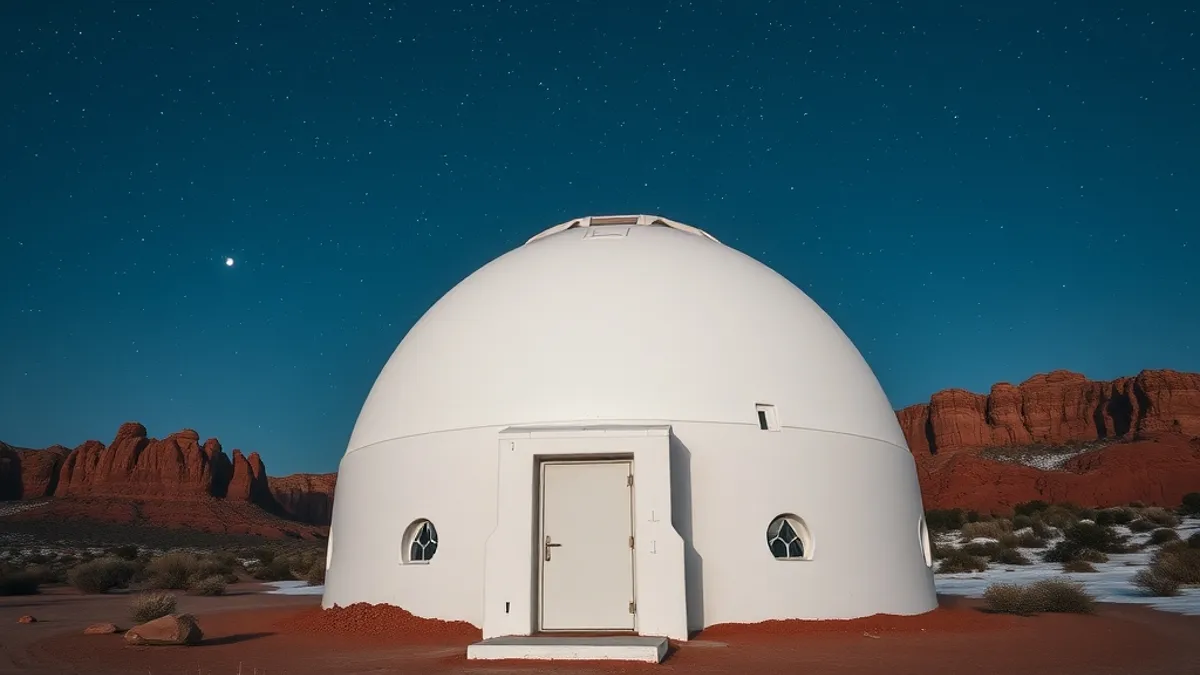
The Southwest deserts — Arizona, Utah and Nevada — flip the usual glamping calendar. While most of the country shuts down for winter, this is when the desert comes alive. From November to March, daytime highs of 60-75°F make tented stays genuinely comfortable: warm enough for lounging outside, cool enough for sleeping under canvas without sweating through the night.
Winter is also the value window. Desert glamping rates often drop 30-50% compared to spring, which means January and February can deliver the same red-rock views and star-filled skies for a fraction of the price. Spring brings wildflowers and ideal weather, but it also brings peak pricing and bigger crowds at popular sites near Sedona, Moab and Joshua Tree-adjacent areas.
Why you should skip a summer desert trip
June through August is the season to avoid. Desert heat often tops 100°F, and canvas tents, domes and open-air decks become punishing rather than pleasant. Ironically, summer rates can still run high in some spots even as demand softens, so you’re paying more for a far less comfortable stay. If your dates are flexible, push that trip to late fall instead.
One way to beat the heat entirely: go up. Some Utah properties sit high enough that even summer stays feel mild, like the experience of glamping above rooftop desert clouds at Camp Sarika in Utah. For everyone else, aim for November to March and check current rates and availability with operators directly, since desert pricing shifts with demand.
Rocky Mountains and Pacific Northwest: Short but Spectacular Summers
The Rocky Mountains and the Pacific Northwest have one of the shortest glamping windows in the country, but it may also be the best. Plan for June through September, when daytime highs typically sit between 70 and 85°F and the long daylight hours make the most of high-altitude sites and forest settings. Outside that stretch, snow, mud and chilly nights can turn a canvas tent into a test of endurance rather than a getaway.
Summer here feels different from the desert sections of the country. Even in July and August, evenings cool off noticeably, so pack layers you might not expect to need in midsummer. In Colorado, keep an eye on the sky after lunch: monsoon-style afternoon storms are common in midsummer, so schedule hikes, horseback rides and guided excursions for early morning and save the covered lounge tent or a long lunch for the afternoon.
Booking around the national parks
If your trip centers on Yellowstone, Glacier or Mount Rainier, treat this like a reservation event, not a casual booking. Summer inventory near these parks sells out first, often 6 to 9 months ahead, and there are few alternatives nearby once it does. If you can travel in June or September instead of July, you’ll usually find better availability and quieter trails with nearly the same weather.
For a sense of what the region does well, look at a stay like a forested Montana retreat with treetop accommodations. Properties like this show why the short season is worth planning around: the setting is the whole point, and it shines brightest when the weather cooperates.
Southeast and Gulf Coast: Two Sweet Spots Instead of One
The Southeast and Gulf Coast are lucky enough to have two glamping windows instead of one. Aim for March to May or October to November, when daytime temperatures generally land in the 70-85°F range. That’s warm enough for swimming and evenings on the deck, without the heavy, sticky air that defines the region’s summer months.
Winter is milder here than in most of the country, but cold snaps can still push tented sites into uncomfortable territory, especially after dark. If you want a trip where a t-shirt is enough every day, stick to the spring and fall windows and check forecasts before committing to a canvas structure.
Why summer is the season to skip
From June to September, heat and humidity peak across Florida, the Gulf states and the Carolinas, and canvas accommodations without strong air conditioning can feel stifling. Hurricane season adds another layer of uncertainty: a storm in the forecast can mean cancellations, evacuations or a soggy, wind-battered stay. If summer is your only option, look for sites with solid climate control and a flexible cancellation policy, and confirm both before you pay.
One more tip: coastal treehouse and safari-tent sites in Florida and the Carolinas are the region’s most in-demand properties, and spring weekends fill fastest. Reserve those weekends several months ahead, or shift to a Sunday-to-Tuesday stay if your dates are flexible. Midweek arrivals often come with better availability and sometimes softer rates, which makes a short shoulder-week getaway an easy way to sample the region without fighting the crowds.
Northeast and Great Lakes: Foliage Season Is Prime Time
The Northeast and Great Lakes region offers one of the longest glamping windows in the country, running from May through October. But the stretch everyone wants is late September to mid-October, when New England and upstate New York put on their famous foliage show. Waking up in a tented suite surrounded by red and gold maples is the kind of experience people plan entire trips around.
Why foliage weekends fill up fast
Fall color weekends are the priciest dates of the year here, and they sell out 3-6 months ahead. Sites near Vermont, the Berkshires, the Adirondacks and the Finger Lakes go first, often by early summer. If foliage is your goal, book by early summer rather than waiting for the leaves to start turning.
The value sweet spots: June and September
Here’s the good news: the best value sits right on either side of the leaf-peeping rush. June and September deliver warm days and cool nights, ideal sleeping weather for canvas tents and yurts, at rates well below October peaks. September is the standout, since you still get early color in some northern areas without paying foliage premiums.
One practical tip: foliage timing shifts a bit each year depending on weather, so if you’re set on peak color, check foliage forecasts as your dates approach and build some flexibility into your trip. Weekday stays in early October can also land you great color at softer rates than a Saturday night.
How Far Ahead to Book Each Region
Glamping sites rarely hold the inventory of a hotel, so the calendar you book on matters almost as much as the destination you pick. A small property might have a handful of safari tents or a single treehouse, and once a prime weekend goes, there is usually no comparable alternative down the road. The good news: operators follow fairly predictable release patterns, and knowing them can mean the difference between a choice site and a compromise date.
- Book early for standard peak-season stays. For most popular windows, the sweet spot is far enough out that the full range of dates and unit types is still open, but close enough that operators have confirmed their seasonal calendars. Booking inside that window usually leaves you a real choice of tent styles, plus the option of midweek versus weekend nights.
- Go earlier still for high-demand hotspots. Sites near major national parks in summer and New England foliage weekends are the exceptions to the standard window. These sell out first and often have the smallest number of units, so early booking is the most reliable way to lock in a specific date.
- Check back 2-3 weeks before your target date. This is when operators release unbooked inventory, often at a discount, to avoid empty tents. If your dates are flexible, a last-minute scan of your favorite operators’ calendars can turn up a bargain the early planners missed.
- Join mailing lists for cancellation alerts. Some operators notify subscribers when a reserved unit opens back up. It costs nothing and occasionally lands you a peak-season site that never hit the public calendar.
One habit ties all of this together: decide on your region and rough dates first, then book backward from the season. A flexible traveler who watches for those late-release windows can often stay in the same tents as someone who planned the better part of a year out, just for less money.
Wrapping Up Your Glamping Calendar
The takeaway is simple: match the season to the region and you skip the frozen pipes, the sweltering canvas and the tripled rates entirely. Deserts shine from November to March, the mountains and Northwest hit their stride June to September, the Southeast rewards spring and fall travelers, and the Northeast runs May to October with foliage as the crown jewel. Time it right and the weather does half the work for you.
Booking windows matter just as much as the calendar. Three to six months ahead covers most trips, while park-adjacent sites and foliage weekends often need six to nine months of lead time. And if your dates are flexible, shoulder and off-season windows can trim rates by 20-50% without giving up much of the experience. Have a favorite region or a booking tip that saved you money? Share it in the comments or pass this guide along to a fellow traveler.