You’ve decided to try glamping, and then the paralysis sets in. Safari tents, geodesic domes, treehouses, yurts, cabins — every listing promises something different, and they all look dreamy in the photos. The trouble is that each glamping style delivers a genuinely different experience, and picking the wrong one can turn a much-anticipated escape into an expensive disappointment. A dome built for snowy nights feels odd in a summer heatwave, and a rustic platform tent may not suit a group expecting full-service luxury.
This guide walks you through the decision step by step. We’ll start with what glamping style actually means, then match each option to your destination and climate, from cold-weather domes to shoulder-season yurts. You’ll find honest breakdowns of what each style typically costs, how much comfort to expect, and which styles suit couples, families and groups best. We’ll also cover booking timing, since treehouses and other popular options can require reserving months ahead, and finish with a simple way to choose your glamping style with confidence.
What Glamping Style Actually Means
When people say “glamping style,” they’re really talking about two things at once: the structure you sleep in and the level of service that comes with it. The structure part is the most visible. Safari tents, geodesic domes, yurts, treehouses, cabins and Airstream-style trailers all count as glamping, yet they deliver completely different experiences under the same label.
How the structure shapes your stay
Each structure changes the fundamentals of your night. A canvas safari tent lets you hear the wind and feel closer to the outdoors, but it insulates less and often offers less privacy than a solid-walled option. A geodesic dome, with its hard shell and panoramic windows, gives you a sealed, weather-proof space with a strong sense of openness. A yurt’s round layout feels airy and communal, while a treehouse trades floor space for elevation and views you simply can’t get at ground level.
Cabins and Airstream-style trailers sit at the more conventional end. A cabin behaves much like a small hotel room, and a restored trailer gives you a compact, self-contained space with a retro charm. Think about what matters most to you: insulation, privacy, room to spread out, or that feeling of being right in nature. No single structure maximizes all four, so knowing your priority makes the choice much easier.
Style also signals service level
The second meaning of style is the service tier it tends to signal. Canvas structures like safari tents and yurts usually lean toward rustic-luxury: quality furnishings, thoughtful touches, but often shared facilities or semi-open layouts. Solid structures like cabins typically lean toward full-hotel comfort, with en-suite bathrooms, climate control and amenities closer to a standard resort stay.
Neither approach is better. A night under canvas with a wood stove and a lantern-lit path can feel more memorable than a sealed cabin with air conditioning, or the reverse, depending on the trip you want. Use the structure as a shorthand for what to expect, then confirm the details with the individual site, since operators vary widely within the same category.
Match the Glamping Style to Your Destination and Climate
Climate should drive your structure choice more than anything else. A safari tent that feels magical in July can turn miserable in a November downpour, while a cozy dome can feel stuffy during a summer heatwave. Start by checking the typical weather at your destination for the months you plan to travel, then pick a structure built for those conditions.
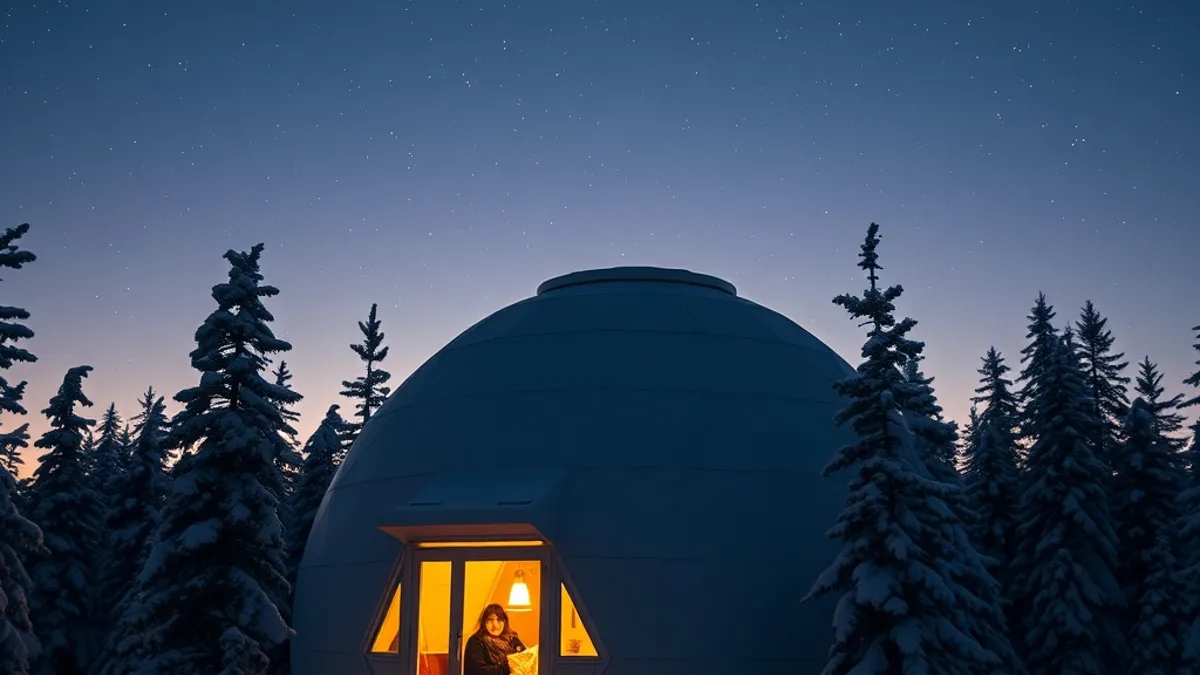
Cold months from October to April in northern regions call for structures with real insulation. Geodesic domes and insulated cabins hold heat well, often adding wood stoves or proper heating, so a frosty morning outside becomes a view rather than a problem. Open canvas simply cannot keep you warm in freezing temperatures, no matter how many blankets the host provides.
Warm, dry seasons like May through September are prime time for safari tents and other open canvas structures. Breezy mesh windows, shaded decks and airflow-focused designs make sense when nights stay mild. In shoulder months, roughly April to June and September to October, yurts are a smart pick: their solid lattice walls and felt lining take the edge off chilly nights without overheating you on warmer days.
- In jungle and coastal settings, elevated treehouses keep you above ground-level humidity and away from insects that gather near the forest floor or shoreline.
- Treehouses usually sit 3-10 meters above ground, so ask the host about stairs, railings and how much shade the platform gets at midday in tropical destinations.
- Canvas structures near the coast need good rainfly coverage and ventilation; salt air and morning dew make airflow the difference between a dry tent and a damp one.
- In mountain areas, ask about wind exposure for dome sites, since their curved shape sheds snow well but can catch strong gusts on open ridgelines.
Budget: What Each Glamping Style Costs
Glamping prices vary more by structure and setting than most travelers expect. A safari tent in a quiet inland location can cost a fraction of what the same tent commands on a coastline or near a national park, so the style alone doesn’t set the price — the address does.
As a broad guide, safari tents typically run $150-$600 per night, while luxury cabins and remote lodges range from $200-$800 per night depending on how isolated they are. Remote usually means pricier, since getting supplies, staff and power to an off-grid site costs money that shows up in the nightly rate.
Timing matters just as much as structure. Expect peak-season rates to run 30-50% higher than shoulder-season prices for the exact same tent or cabin. Shifting your stay by a few weeks can turn a stretch property into an affordable one without changing anything about the experience.
Before comparing nightly rates, check what each price actually includes. Two listings at similar prices can feel very different once you see what’s behind the door. Watch for these details:
- En-suite bathrooms generally signal the higher tier of a style’s price range, while shared bathhouses sit at the lower end.
- Private decks with seating or a hot tub usually push a listing toward the top of its range.
- Catering and housekeeping — some safari tent rates include breakfast or daily service, others are strictly self-catered.
- Linens and firewood are included at some sites and charged as extras at others, so ask before you book.
Comfort Level: Rustic Charm or Full-Service Luxury
Canvas structures like yurts and safari tents lean toward the rustic end of the comfort spectrum. Many safari tents have semi-open layouts, meaning canvas walls, zippered doorways and mesh panels instead of solid construction. Yurts often share a central bathhouse with other guests rather than having a private bathroom attached. That shared setup is part of the charm for some travelers and a dealbreaker for others, so read the site description carefully before booking.
Domes and treehouses sit a step higher on the comfort ladder. Geodesic domes typically come with en-suite bathrooms, proper heating and wide transparent panels that frame the view from your bed. Treehouses lift you well off the forest floor, and because they’re enclosed, you get real walls, real plumbing and large windows designed around the scenery. These styles trade some of the raw outdoorsy feel for a more sealed, weatherproof night’s sleep.
When you want it to feel like a hotel
Cabins deliver the closest experience to a standard hotel room. Expect full climate control, solid walls, a proper kitchen or kitchenette and insulation that keeps noise and temperature steady. If you or anyone in your group is sensitive to heat, cold or early-morning birdsong through thin canvas, a cabin removes that variable entirely.
One decision helps more than any other: do you want atmosphere or consistency? A wood stove crackling in a yurt on a cool evening is memorable, but it requires tending and delivers uneven warmth. Reliable air conditioning in a cabin is less romantic and far more predictable. Decide early which matters more to you, because it narrows your options fast and prevents disappointment on night one.
Who You Travel With: Couples, Families and Groups
The people you travel with should shape the structure you book before anything else. A romantic escape for two and a trip with three kids call for completely different layouts, and choosing wrong is the fastest way to end up uncomfortable.
Couples tend to be happiest in treehouses and geodesic domes. These styles are typically built around two guests, with the design focused on privacy, large windows and a view rather than extra beds. A treehouse perched several meters above the ground gives you seclusion you simply cannot get in a multi-bedroom tent. Domes add a stargazing element that works especially well for anniversary trips or a first getaway without the kids.
Families have a different priority: everyone under one roof. Safari tents that sleep 2-5 guests are the classic pick here, because parents get a separate sleeping area while kids share the second bedroom or a fold-out. That shared-space setup beats booking two separate units when you want to keep an eye on younger children at bedtime.
Groups of friends or extended families should resist the temptation of one giant structure. Most glamping sites simply do not offer them, and the ones that do often sacrifice comfort for bed count. The smarter move is a site with several units side by side, so each couple or family gets their own space while the fire pit and deck become your shared hangout.
Before you commit, check the fine print on group logistics:
- Minimum-stay rules: popular sites commonly require around 2 nights on weekends, which matters when your group is coordinating arrival times.
- Bed configurations: ask whether the “sleeps 5” figure includes a sofa bed or futon, since real beds for everyone change the experience.
- Unit proximity: confirm that side-by-side units actually share a deck or fire pit, because some sites scatter tents across the property.
- Age policies: a few adult-oriented treehouse and dome operators restrict bookings to guests over a certain age, so verify before bringing kids.
Booking Timing for Popular Glamping Styles
Glamping calendars fill faster than most hotel calendars, and each style has its own rhythm. Treehouses are the scarcest units at almost any site, domes and cabins carry winter demand, and canvas structures in quiet months can be surprisingly easy to grab. Plan around these patterns and you rarely have to compromise on your first choice. The good news is that glamping availability is predictable once you know which style you want and when you want to travel. Treat booking like a small project with a timeline, not a last-minute scramble, and even the most in-demand units stay within reach.
- Lock in treehouses first. With only a handful of units per property and strong demand for sleeping among the branches, treehouses typically need 3-6 months of lead time in peak season. If a specific treehouse is the whole point of your trip, put the booking date in your calendar before you plan anything else. For inspiration, see what an overnight in a treetop canopy resort in Okinawa looks like.
- Reserve domes and cabins 3-6 months ahead for winter and holiday dates. These are the styles travelers pick for cold-weather comfort and festive breaks, so New Year and school-holiday windows vanish early.
- Use flexibility with yurts and safari tents in low season. When demand drops, these styles often need only 2-4 weeks of notice, sometimes less. Spur-of-the-moment shoulder-season trips are realistic here.
- Shift to midweek whenever you can. Tuesday and Wednesday nights at sought-after sites usually mean lower rates and open calendars, which matters most for styles with limited inventory.
One more habit that pays off: set a reminder for the moment a site opens its next season’s calendar, since many popular properties release dates in blocks. If your dates are fixed around a holiday, book at the far end of the lead-time range; if you can travel anytime, wait for midweek openings and let availability work in your favor. And when a site shows your preferred unit as unavailable, ask about cancellations, because popular styles free up more often than the calendar suggests. A short, polite email to the property can also get you on a waitlist, which many travelers never think to join.
Finding Your Glamping Style with Confidence
Choosing a glamping style stops feeling overwhelming once you break it into four simple questions: how will the structure handle the climate, what does it cost, how much comfort do you expect, and who is coming along? Canvas structures like safari tents reward warm-season travelers, while domes and cabins carry cold-season trips in comfort. Match those basics to your group size, and the right choice usually becomes obvious.
Timing matters too. The most popular styles, especially treehouses and domes, typically need booking 3-6 months ahead for peak-season dates, so decide early rather than at the last minute. Get those pieces lined up and you can book with confidence instead of freezing at the options. If this helped you narrow things down, leave a comment or share the article with a fellow traveler.