You know you want a safari, but the safari lodge vs tented camp question keeps tripping you up. One promises solid walls, a proper door and a swimming pool after a dusty game drive; the other offers canvas walls, lantern light and the sound of hyenas passing close by in the dark. Both can be comfortable, both can be luxurious, and both can fit wildly different budgets, so the choice is rarely obvious from a brochure photo.
This guide breaks the decision into the questions that actually matter: what separates a lodge from a tented camp in practice, how comfort and amenities compare, what you can expect to pay per night at each, and how location affects your wildlife viewing. We’ll also cover the best seasons to travel, how far ahead to book for peak-season stays, and which stay type suits different trip styles, from honeymooners to families to first-timers. By the end, you should know exactly which one fits your trip.
What Defines a Safari Lodge vs a Tented Camp
The line between a safari lodge and a tented camp starts with construction. A lodge is a permanent building: solid walls, tiled or wooden floors, proper doors that lock, and usually air conditioning, a swimming pool, and sometimes a spa. It feels much like a well-built hotel dropped into the bush, with a main building for meals and a block or collection of rooms spreading out from it.
A tented camp keeps the canvas but varies enormously in what lies underneath. At the simple end, you get sturdy canvas on concrete pads with basic beds and shared or simple bathrooms. At the luxury end, tented suites can hold king beds, full en-suite bathrooms with hot showers, private decks, and even plunge pools. The giveaway is always the walls: if they zip open and closed, you are in a tented camp, however plush the interior.
Fixed in place or following the animals
Most tented camps are permanent structures. The canvas may be replaced and the site refreshed between seasons, but the camp itself stays fixed year-round. Mobile camps work differently: they pack up and relocate two to three times a year, moving to follow wildlife migrations and set up on new sites as the herds move. That mobility is the whole point of the style, though it means the camp trades polish for position.
Size is the other defining difference, and it shapes the atmosphere more than anything else. Permanent tented camps usually house 8–15 tents, while lodges range from 20 to 60+ rooms. In a small camp, dinner is one shared table and the staff know your name by day two. In a larger lodge, you get more anonymity, more facilities, and more fellow travelers to swap sightings with over the bar. Neither is better; they simply suit different moods, which is worth deciding before you book.
Comfort and Amenities: What You Give Up and Gain
Comfort is where these two stay types diverge most clearly. A safari lodge behaves much like a well-run hotel: climate control keeps your room at a set temperature, Wi-Fi usually reaches your room, and many properties add gyms, spa treatment rooms and sometimes pools. After six or seven hours bouncing over rutted tracks in search of leopards, that predictability matters more than you might expect.
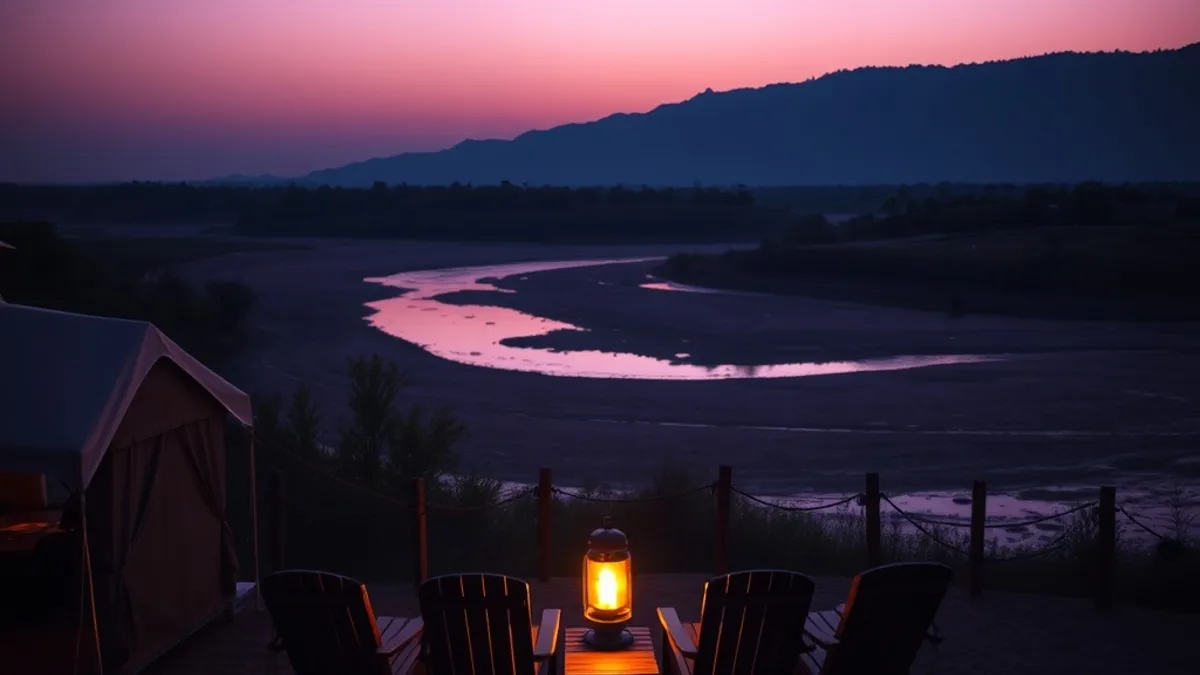
Tented camps trade some of that polish for atmosphere. Canvas walls thin out temperature swings and let in ambient sound, so you feel the bush around you rather than reading about it from behind glass. Even luxury camps, which deliver hot showers, proper beds and private decks, rarely include air conditioning. Some properties manage the trade-off brilliantly, as you can see in this look at rooftop jungle calm at Nayara Tented Camp.
The right pick comes down to what you want from your evenings. If you want hotel-style consistency after long game drives, a lodge wins. If you want to lie in bed and hear lions calling or hyenas whooping across the plain, a tent turns that into part of the experience rather than a disruption.
- Ask about solar power and generator hours. Many tented camps run on solar with generators switched off at night, so charging camera batteries or using a hair dryer may be limited to certain windows of the day.
- Check Wi-Fi expectations honestly. Some remote camps offer connectivity only in the main lounge, if at all, while most lodges treat it as a standard room feature.
- Consider nighttime logistics. Many tented camps require an escort after dark and provide a two-way radio or whistle in your tent, since animals can and do wander through camp.
- Look at bedding layers, not just beds. Quality tented camps often supply hot water bottles and extra blankets for chilly pre-dawn drives, something lodges with climate control rarely need to think about.
Price Comparison: Lodge vs Tented Camp Nightly Rates
Money is where the two stay types separate most clearly. In mid-season, a safari lodge typically costs $400–$1,200 per person per night, while a tented camp typically runs $250–$800 per person per night. That gap means a couple staying a week can save well over a thousand dollars by choosing canvas over brick, even at a comfortable, well-run camp.
Timing matters just as much as stay type. During green season, roughly November through March, rates at both lodges and tented camps drop by around 30–40%. If your dates are flexible, a lodge you could not justify in peak season may slide into your budget, and a tented camp becomes genuinely affordable. Just remember the trade-off: afternoon showers and thicker vegetation can make game viewing harder work.
Compare packages, not just prices
Here is where many travelers trip up. Nearly all safari lodges and tented camps price on an all-inclusive basis: meals, drinks, and daily game drives are bundled into the nightly rate. When you compare a lodge quote against a tented camp quote, make sure both include the same inclusions. One camp may bundle park fees and laundry while the other charges them separately, which can swing the real cost by a meaningful amount per night.
Also look past the sticker price to what you get for it. Smaller tented camps, often just 8–15 tents, frequently run with more guides per guest than a large lodge can manage. That can translate into more flexible game drives, a vehicle seat to yourself, and guides who know the area intimately. For many safari-goers, that added value is worth more than the difference in nightly rate.
Wildlife Access and Camp Location Differences
Where you sleep shapes how much wildlife you actually see. Mobile tented camps in the Serengeti pack up and reposition two to three times a year to follow the Great Migration, which means that between July and September you can wake up within a short drive of the river crossings, when wildebeest herds pile into the Mara and Grumeti rivers and crocodiles wait below. A lodge built at a fixed spot simply cannot chase that action.
Lodges, on the other hand, tend to be built where the animals come to them: near park gates, along permanent rivers, or beside natural water sources that hold game through the dry season. In East Africa that reliable window runs June through October, and in Southern Africa from May through September, so a well-placed lodge can deliver consistent sightings from its own waterhole without you driving far at all. The trade-off is that you share that dependable spot with every other vehicle in the area.
Location also affects what activities are legally possible. Camps inside national parks operate under strict park rules, while tented camps set up in private concessions bordering reserves usually face fewer restrictions. That difference changes your daily schedule, not just your view.
- Night drives: Private concessions typically allow spotlight drives after dark to find leopards, genets and hunting lions; most lodges inside national parks must return to gate before sunset.
- Off-road tracking: Concession camps can often leave the tracks to follow a predator through the grass, while park rules usually keep vehicles on designated roads.
- Walking safaris: Small tented camps commonly offer guided bush walks with an armed guide, an experience rarely available from larger lodge properties.
- Bush dinners and sundowners: With fewer guests and flexible rules, tented camps more often set dinner in the riverbed or drinks at a scenic spot away from camp.
Best Seasons and How Far Ahead to Book
Timing shapes your safari more than most travelers expect. The month you travel decides which camps are open, what wildlife you’ll see and how much you’ll pay. It also decides how far ahead you need to commit, because the best camps in the best locations sell out long before the dry season begins. Here’s how to work backward from your travel dates.
- Pin down your dry-season window. Peak game viewing runs June–October in East Africa and May–September in Southern Africa. These months bring thin vegetation, concentrated wildlife and predictable weather, which is exactly why everyone else wants them too.
- Book 9–12 months ahead for peak-season stays. Popular reserves and small camps with limited tent counts fill up a year out. If you’re set on a specific camp or a specific month, treat the booking like a wedding reservation, not a last-minute trip.
- Check opening dates before committing in April–May. Most tented camps close, fully or partially, for maintenance during the rainy months. A camp that looks available online may not actually take guests, so verify directly with your operator before you plan anything around those weeks.
- Consider the green season for value. From November–March, rates drop noticeably at both stay types. You trade afternoon showers for newborn animals, excellent birding and far fewer vehicles at sightings.
- Lean toward a lodge for shoulder-month trips. Lodges operate year-round more reliably than tented camps, so if your dates fall in a transition month, a lodge is the safer pick.
One practical note: green-season travel suits flexible travelers best. If your schedule locks you into school holidays or a fixed anniversary week, you may have no choice but peak season, and that makes early booking non-negotiable. If you can travel anytime, a green-season trip lets you stay in a top-tier camp for a fraction of the high-season cost, with the afternoon rain usually passing in time for an evening game drive.
It also pays to match your dates to your stay type before you pay a deposit. A mobile camp that follows the migration only makes sense if your trip lines up with the herds, while a permanent lodge delivers much the same experience regardless of when you arrive. Ask your operator which weeks they consider shoulder season in your chosen reserve, as these can differ from the headline dry-season windows. Either way, decide your dates first, then match the stay type and booking timeline to them.
Which Stay Type Fits Your Trip Style
Match the stay to your trip style and the decision almost makes itself. Honeymooners and first-timers usually fit best at a lodge. You get a front desk, a set daily rhythm and staff who absorb the logistics, which counts for a lot when you are jet-lagged and new to the bush. Everything happens from one base, so there is far less to coordinate on your first safari.
Photographers and repeat safari-goers tend to thrive in a small tented camp. Fewer guests per vehicle means schedules bend around the light instead of the clock, so you can roll out before dawn and sit with a leopard until the action finally breaks. Repeat visitors have usually already done the polished lodge experience and now value flexibility and proximity to the wildlife more than polish.
Families with young children should lean toward a lodge with a pool and family rooms. Game drives swallow big chunks of the day, and kids need somewhere to burn off energy between them. A swim, child-friendly meals and a room where everyone can actually sleep turn the downtime from a struggle into part of the holiday.
If you are chasing the Great Migration, a mobile tented camp is the stay type designed to move with the herds, so staying in position depends on booking early. The best mobile operators are typically fully booked long before the season starts, so lock in your dates as far ahead as you can.
- Honeymooners: ask about minimum-age policies before booking. A number of safari lodges are adults-only or set a minimum age for guests, which keeps the atmosphere quiet — a plus for couples, but a dealbreaker if part of your group is traveling with children.
- Photographers: ask whether you can book a private vehicle, and whether the camp provides beanbags and in-vehicle charging. Controlling your own vehicle means you pick the angle and decide how long you hold a sighting.
- Families: check whether the lodge can arrange a family-exclusive vehicle so nap schedules and snack stops do not clash with other guests, and whether it runs junior ranger activities for kids between drives.
- Migration chasers: ask the operator exactly where the camp will sit during your travel dates, not just the general region. A camp in the right reserve can still be a long drive from the herds if the move schedule does not line up with your trip.
Wrapping Up Your Lodge or Tented Camp Choice
So which one should you book? If hotel-style comfort, year-round reliability and family-friendly extras top your list, the safari lodge is the safer bet. If you’d rather trade some of that polish for intimacy, wildlife right on your doorstep and real value, a tented camp is hard to beat. Neither choice is wrong; they simply serve different travel styles.
Three things ultimately decide it: the season you travel, the budget you set and how much roughing-it you genuinely enjoy. Whichever stay type wins, remember that peak-season spots in popular reserves go fast, so book 9–12 months ahead to lock in your first choice. Tell us which one you’d choose in the comments, or share this article with a travel partner who’s facing the same decision.