Figuring out the best time to visit Torres del Paine is trickier than it sounds. Weather, crowds and lodge prices swing so dramatically between seasons that picking the wrong month can turn a once-in-a-lifetime Patagonia trip into a soggy, overbooked disappointment. The park you experience in January, with long days and packed trails, is barely recognizable from the quiet, snow-dusted version you get in July.
This guide breaks the year down for you. We’ll look at high season (December to February), the shoulder months of October-November and March-April, and winter, when many lodges close or scale back. You’ll also learn how lodge rates and booking windows shift with the calendar, why April and October often deliver the clearest views of the Paine massif, and how to choose a lodge that matches your season. A month-by-month quick reference and practical planning tips round it out, so you can match your trip to the Patagonia you actually want.
Why the Best Time to Visit Torres del Paine Depends on What You Want
There is no single perfect month for Torres del Paine, and that is the first thing to accept when planning a trip here. Summer delivers long daylight and lively trails, but it also brings the year’s biggest crowds and highest lodge rates. Autumn trades some warmth for fiery lenga forests and quieter viewpoints. Winter offers real solitude and snow-draped peaks, though many lodges shut their doors or cut back services.
So the “best” time really depends on what you want from the park. Your decision comes down to three trade-offs. First, trail access and weather: how much of the W Trek or the full circuit do you need open, and how tolerant are you of wind, rain and cold snaps? Second, lodge availability and price: the property you want may be sold out in high season or simply closed in winter. Third, how much wildlife encounters and photography conditions matter to you, since light, foliage color and animal activity shift noticeably through the year.
Four seasons, four different parks
To make this practical, we break the year into four lodge seasons rather than four calendar seasons. Each window has a distinct personality: which trails are open, which lodges are operating, what rates look like and what the light and landscape deliver. Matching your priorities to the right window is the whole game.
If you dream of hiking the classic routes under near-endless daylight, one window will suit you. If you would rather photograph guanacos against autumn color with few people around, another will. And if you simply want silence, snow and a fire going at a year-round lodge, there is a season for that too. Read on to find yours.
High Season (December-February): Long Days, Full Lodges
December through February is Patagonia at full throttle. Daytime temperatures sit between 10-18°C, and with up to 17 hours of daylight you can hike long stretches without ever racing the sun. This is the only window where the full W Trek and the multi-day circuits feel comfortable for most travelers, which is exactly why everyone tries to come now.
The flip side is volume. Classic viewpoints like the Base Torres lookout and the shores of Lake Pehoé fill up early, and you’ll rarely have a trail section to yourself. Lodge rates typically run 30-50% above shoulder-season prices, so the same bed costs noticeably more in January than in November.
Wind: the summer wildcard
Summer is also the heart of the windy season. Gusts frequently exceed 100 km/h on exposed sections, and the French Valley is notorious for it—hikers regularly grab onto rocks to stay upright. Pack a windproof shell and secure every loose item before you set out.
Because demand is so concentrated, booking matters more here than in any other season. The most sought-after refugios and luxury lodges sell out first, often well before the year begins. Reserve 6-12 months ahead if you want your pick of properties and room types, and expect flexibility on dates to disappear the closer you get to summer.
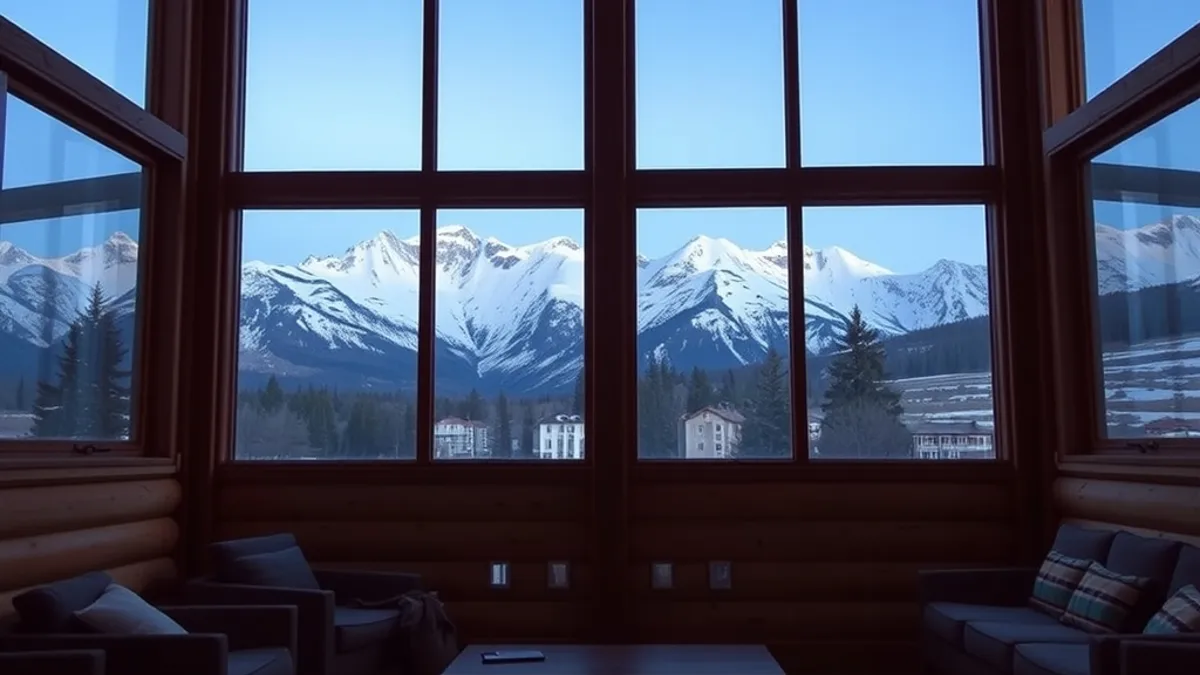
Shoulder Seasons (October-November and March-April): The Sweet Spot
Ask any Patagonia veteran when they’d return to Torres del Paine, and many will point you to the shoulder seasons. October and November bring spring to the steppe: wildflowers start spreading across the valleys, guanacos and foxes become more active with young around, and the famous granite towers sometimes wear a fresh dusting of snow. Best of all, the trails that pack out in January stay noticeably quiet, so you can reach viewpoints like the Base of the Towers without sharing them with a crowd.
March and April flip the script with autumn. The lenga and ñirre forests turn gold and rust-red, winds ease off from their summer fury, and April in particular often delivers some of the clearest skies of the year over the Paine massif, sitting between the windy and rainy systems. For photographers, this is arguably the sweetest light of the Patagonian year.
Your wallet notices the difference too. Lodge rates in both windows typically sit well below summer peaks, and booking 3-6 months ahead is usually enough to secure the property you want, rather than the 6-12 months high season demands.
The trade-off is volatility. Shoulder-season weather swings harder, so the same rule applies as when packing for an alpine escape like a cozy pod retreat in the Swiss Alps: plan for four seasons in one day. Build buffer days into your itinerary so a stormy morning doesn’t cost you your one shot at the towers.
- Layer up with waterproof shell and insulation: shoulder-season days can swing from sunshine to sleet within an hour, unlike the more stable summer pattern.
- Check trail conditions before committing to high passes, as early spring snow or late autumn storms can temporarily close sections that are routine walks in January.
- Ask your lodge about shoulder-season service levels, since some reduce restaurant hours or excursion schedules even while staying open.
- Consider splitting your stay between two properties on opposite sides of the park, which spreads your weather risk and gives you two chances at clear massif views.
Winter (May-September): Solitude, Snow and Limited Lodges
Winter in Torres del Paine is a different park entirely. From May through September, temperatures typically sit between -2 and 8°C, and you get under 9 hours of daylight to work with. Snow dusts the granite towers and the lenga forests, trails empty out, and the whole massif takes on a stillness you simply cannot find in summer.
The trade-off is access. Many lodges and refugios either close entirely or run reduced service during these months, so your options concentrate on a handful of year-round properties near the park gates. That makes winter the season with the tightest lodge availability of the year, even though overall visitor numbers are at their lowest.
Who winter suits best
This window rewards photographers and repeat Patagonia visitors who prioritize atmosphere over full trail access. Low-angle light, snow-capped peaks and mirror-still lakes make for striking images, and you will often share a viewpoint with nobody at all. If your goal is to hike the complete W Trek or the full circuit, winter is not your season — but if you have already seen Patagonia in summer and want to experience its quieter side, the payoff is real.
Booking tips for a winter stay
Before you commit to any dates, check each lodge’s opening calendar directly. Winter availability is the single biggest constraint on a cold-season trip, and a lodge that appears bookable online may only operate on a limited basis or require a minimum stay. Confirm that your chosen property is genuinely running year-round, ask about shuttle reliability in snow, and build flexibility into your plans in case weather affects access to the park.
Choosing a Lodge That Matches Your Season
The lodge you pick should change with the season you travel in. A property that shines in January can feel isolating in July, and a cozy shoulder-season base may frustrate a trekker trying to hit the trail at dawn. Match the lodge’s strengths to what your days in the park will actually look like.
In the December-to-February high season, prioritize lodges that run structured guided trek programs and serve early breakfasts. With the sun barely setting before late evening and peak crowds on classic viewpoints, an early start is the difference between a quiet trail and a conga line. Ask whether guides depart at first light and whether boxed breakfasts are available for pre-dawn starts.
Shoulder-season travelers face more volatile weather, so the lodge itself becomes part of the experience. Look for properties with generous common areas, fireplaces, libraries and spa facilities, since you may spend entire afternoons indoors waiting out a front. A hot tub with massif views earns its keep in October and April, when the clearest conditions over the Paine massif often arrive between wind and rain systems.
Winter visitors need to verify hard logistics before booking. Confirm the lodge operates year-round with full services, that rooms are properly heated, and that airport or trailhead shuttles run reliably in snow. With temperatures between -2 and 8°C and many neighboring properties closed or running reduced service, a shuttle failure can strand your itinerary.
- Ask for exact seasonal opening and closing dates in writing, since some lodges run reduced-service transition weeks at either end of the main season.
- Request a list of guided excursions included in the rate, because some properties bundle daily hikes and puma-tracking drives while others charge separately.
- Check minimum-stay requirements, which tend to lengthen in high season and around holidays, and can effectively double the cost of a short trip.
- Confirm whether the lodge holds your reservation with a deposit or full payment, and what happens if weather delays your arrival.
Month-by-Month Quick Reference
If you want the whole year at a glance, here it is. December through February is the easy choice on paper: the warmest days, the fullest trail access and the most lodges open and running at full capacity. The catch is that everyone else knows it too, so you pay peak rates and share every viewpoint with a steady stream of hikers. Lodges for this window go fast, so lock in your pick well ahead of your trip.
Traveling in the spring or autumn windows is where savvy travelers land. You get most of the trail network, a fraction of the summer crowds and lodge rates well below peak. These windows reward flexibility: pack for four seasons in one day and you will rarely be disappointed. Booking a few months out is typically enough, though the most popular properties still fill earlier.
May to September is the deep off-season. Rates are at their lowest and the park feels almost private, but short days and reduced services mean fewer lodge choices and less ground covered each day.
- December-February: all three trekking circuits are reliably open, and guided excursions, boat crossings and lodge shuttles run on their fullest schedules.
- October-November: penguin colonies and nesting activity peak along the coast, making it a strong stretch for wildlife-focused itineraries.
- March-April: lenga and ñirre forests turn red and gold, giving photographers their best foreground color against the granite towers.
- May-September: expect frost on the tents and ice along lake shores in the early mornings, with lodge breakfasts often delayed until the sun is up.
- Any season: confirm whether your lodge offers airport or Puerto Natales transfers year-round, as some shuttles scale back outside summer.
Planning Your Patagonia Stay
Deciding when to go to Torres del Paine comes down to balancing daylight, crowds, price and lodge availability. Summer suits first-timers chasing the full trek, shoulder seasons reward flexible travelers, and winter serves solitude seekers. There is no wrong answer, only a wrong match between your priorities and the month you pick.
That match matters most with your lodge. A property that sells out a year ahead in summer may barely operate in winter, and the same room can cost dramatically more in January than in April. Whichever season you choose, aligning your lodge with the month is what turns a good Patagonia trip into a great one. If this guide helped you plan, share it or tell us in the comments which season you are leaning toward.