If you want to book a lodge in the Masai Mara without missing the Great Migration or paying more than you should, timing matters almost as much as location. Peak season runs from July to October, when the river crossings draw crowds and the best lodges are often fully booked 6-12 months in advance. Leave it too late and you may face slim pickings or premium prices; book blindly and you could pay peak rates for a month that doesn’t suit your priorities.
This guide walks you through the decisions step by step. We’ll break down the Masai Mara’s seasons, from the green months of March to May to the quieter shoulder periods, and show how far ahead to book depending on when you travel. You’ll also find advice on matching your booking window to the migration, weighing conservancies against the main reserve, understanding how season affects prices and value, and planning the journey itself, whether you drive the roughly 5-6 hours from Nairobi or opt for a 45-minute flight.
Understanding the Masai Mara Seasons Before You Book a Lodge
The Masai Mara doesn’t really have an off-season — it has seasons that suit different travelers differently. The reserve sits at an altitude that keeps temperatures mild year-round, so your decision comes down to rainfall, crowds and wildlife movements rather than heat or cold. Knowing what each window offers makes it much easier to match a lodge to your priorities.
July to October is the peak season, and it’s easy to see why. The Great Migration fills the plains with wildebeest and zebra, the long grass dries down, and game viewing is at its most reliable. The trade-off is demand: the best lodges fill up far in advance and rates sit at their highest.
From March to May, the long rains arrive and the landscape turns vividly green. Roads can get muddy, some camps close for renovation, and afternoon showers are common. In return, you’ll share sightings with far fewer vehicles and pay noticeably less — rates during this period typically run 30-50% below peak-season prices.
Between those extremes sit the shoulder months of June and November to mid-December. Wildlife viewing stays solid, the rains are shorter or just ending, and prices soften compared to peak. For many travelers, this is where value and experience meet most comfortably.
January and February deserve special mention. This is a dry, quieter stretch when the plains open up and big cats are easier to spot, and it coincides with wildebeest calving on the surrounding plains — a wonderful time for predators and newborn animals.
- Rain shapes game drives: in the green season, expect afternoon downpours and sections of track that become slow-going, so lodges often plan shorter, flexible drives around the weather.
- Photography changes with the light: the dry peak season brings dusty, golden light and dramatic river scenes, while green-season skies and fresh vegetation suit landscape and bird photography.
- Mosquitoes and grass height vary: after the long rains, taller grass can make spotting harder but the reserve looks its best; in the dry months, animals cluster around water sources, concentrating sightings.
- Camp closures matter: a handful of smaller camps close or run reduced operations during the March-May rains, so confirm your chosen lodge is open before you commit to those dates.
How Far in Advance to Book a Lodge in the Masai Mara
The Masai Mara is not a destination where you can assume a good lodge will still have space a few weeks out. The most sought-after camps, especially the small conservancy properties, often fill their peak-season rooms 6-12 months ahead. If your trip falls between July and October, treat booking as one of the first steps of your planning, not the last.
The December holidays and the January-February dry spell also draw steady demand, though the pressure is less intense than during the migration. Booking 3-6 months ahead usually gives you a solid choice of camps and room categories without paying panic-mode prices. Families traveling over Christmas and New Year should lean toward the earlier end of that window, since family suites are limited and go first.
Green-season travelers have the most breathing room. Between the long rains, availability is generally good, and booking 1-3 months out is often enough to secure a well-located camp. Last-minute deals do appear, mainly in March-May, but they come with a trade-off: your choice narrows to whichever camps still have space, and the top names are rarely among them.
- Set a calendar reminder rather than relying on memory: for a July-October safari, that means checking availability around a year out and confirming by the 6-12 month mark.
- If you want a specific camp or a particular room type, such as a tent facing the plains, book at the earliest end of your window regardless of season, since these sell first.
- Traveling in a group of six or more? Ask about exclusive-use or whole-camp options early, because few camps can absorb a large party on short notice.
- When hunting green-season discounts, email two or three camps directly around 1-3 months before travel and ask about current availability and any running offers, rather than waiting for rates to appear online.
Matching Your Booking Window to the Great Migration
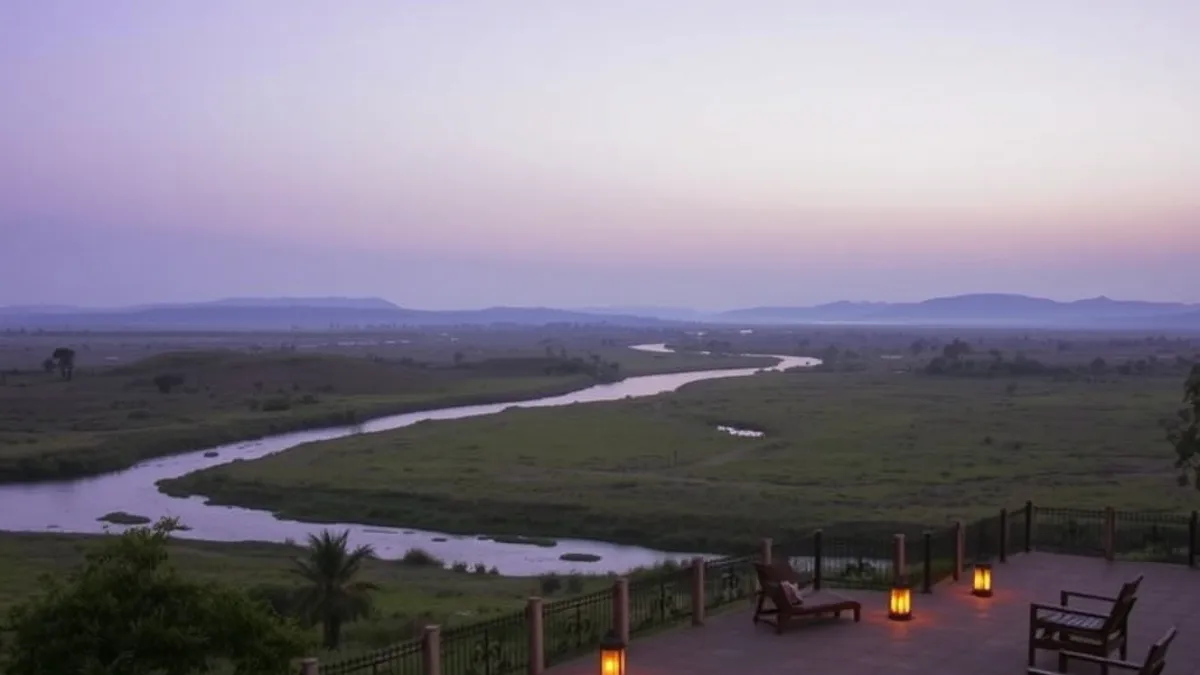
If the Great Migration is the main reason you’re coming to the Masai Mara, your booking window needs to be the most aggressive of any traveler type. River crossings, where wildebeest and zebra plunge into the Mara River past waiting crocodiles, typically happen between July and September. Camps positioned near the river or along the western migration corridors sell out first, often many months before anyone knows exactly where the herds will be. That means you’re booking for a spectacle you can’t fully predict, which makes early commitment even more important.
Why river-crossing camps go first
The simple math drives this: there are only a handful of camps within easy driving distance of the main crossing points, and every photographer and first-time visitor wants one of them. These small properties fill their July-September calendars long before the season arrives, and once they’re full there’s no last-minute fallback nearby. If a river-front camp is on your must-stay list, treat it like a scarce ticket and reserve as soon as dates open.
Managing the unpredictability
Herd movements vary from year to year depending on rain patterns in Tanzania and Kenya, so even a well-timed trip can miss the peak of the crossings. Booking flexible-date or flexible-camp rates reduces that risk, letting you shift your arrival by a few days or move between camps if reports suggest the herds are elsewhere. Some operators offer this flexibility at a modest premium, which many travelers find worthwhile for a once-in-a-lifetime trip.
If crossings are your top priority, aim for arrivals from mid-July to early September. That window captures the heart of the crossing season while still giving you the best odds of dramatic river action, and it pairs naturally with the earliest, most committed booking you can make.
Choosing Where to Stay: Conservancies vs the Main Reserve
Where you stay in the Masai Mara shapes not just your budget, but the whole feel of your safari. The main reserve is the classic choice: it puts you closest to the famous migration hotspots, especially the Mara River crossings and the Talek area, where wildebeest and big cats concentrate in peak season. Lodges inside or right at the reserve gates mean shorter drives to the action when July to October crowds descend.
The private conservancies bordering the reserve, such as those in the greater Mara ecosystem, work differently. Visitor numbers are capped, so you will typically share sightings with only a handful of vehicles instead of a long line of them. Many conservancies also allow night drives and guided walking safaris, experiences the main reserve does not permit, which adds real variety to your days.
Conservancy rates often look higher at first glance, but read the fine print: game drives and most activities are frequently bundled into the nightly price, while reserve lodges may charge for drives separately. Weigh the total cost, not just the headline rate.
- Conservancy access usually comes at a fee. Staying in a conservancy typically includes a daily conservation fee that supports local communities and wildlife; confirm whether it is part of your rate or added on top.
- Conservancy camps are small by design. Many have only a handful of tents, so even a modest number of bookings fills them, and they often sell out before larger reserve lodges do.
- Some camps straddle both worlds. A few properties sit inside the reserve but hold conservancy access too, letting you game drive in both areas; these hybrid options tend to be the first to go in peak season.
- Check drive times to the river. Conservancy camps farther from the Mara River may need an hour or more of driving to reach crossing points, which matters if crossings are your priority.
How Season Affects Lodge Prices and Value
Season is the single biggest driver of lodge pricing in the Masai Mara. The same tented camp that feels like a splurge during the Great Migration can drop dramatically in price once the long rains arrive, so the dates you pick matter as much as the camp itself. If you have already read up on the reserve’s seasons elsewhere, you will know roughly what to expect; here, the focus is on how those price swings work in practice and how to make sure you are comparing like with like.
Between March and May, many lodges and camps quietly release special offers to keep occupancy up. Stay-4-pay-3 deals are common, effectively giving you a free night on a week-long stay, and some properties add further low-season discounts on top. If your travel dates are flexible, this is where the real savings sit, and you can often book much closer to departure than during peak months.
For most travelers, the shoulder months deliver the best price-to-experience ratio. You pay noticeably less than migration-season rates, yet wildlife viewing is still rewarding and the reserve is far less crowded. It is a sensible compromise if the river crossings are not your absolute priority.
Before you compare rates, always confirm what a quote actually includes. Packages vary widely, and an apparently cheap nightly rate can balloon once extras are added.
- Park and conservancy fees: some rates bundle these in, others charge them separately per day, and fees change regularly, so check the current amount before booking.
- Flights and transfers: fly-in packages may include scheduled or charter flights, while road-based rates often exclude transport entirely.
- Game drives: most camps include shared drives, but private vehicles, night drives and walking safaris are frequently billed as extras, especially in the main reserve.
Getting There and Timing Your Arrival
Getting to the Masai Mara is part of your timing plan. The reserve sits roughly 240-270 km from Nairobi, which translates to a 5-6 hour drive by road or a flight of around 45 minutes. That may not sound like a long journey, but road conditions, traffic leaving Nairobi and the state of the final stretch to your lodge gate can all stretch the trip, especially after rain.
Most travelers weigh two options: a road transfer in a safari vehicle or a light-aircraft flight to an airstrip near their camp. If you are visiting between July and October, flying is usually the smarter choice. Roads are at their busiest during peak season, with more safari vehicles, more transfer trucks and more dust on the tracks. A fly-in itinerary saves hours of travel time and gets you to your lodge in time for an afternoon game drive instead of a full day on the road.
Why mid-week arrivals help
During the July-October rush, seats on the small aircraft serving the Mara’s airstrips fill up quickly, and transfer vehicles get booked out too. Scheduling your arrival mid-week, rather than on a Friday or weekend, typically means less competition for both flights and road transfers. It can also make same-day connections from international arrivals smoother, since fewer travelers are jostling for the same slots.
Whatever you choose, confirm the current schedules and transfer arrangements with your operator or lodge before finalizing your dates, as flight frequencies and road conditions can change through the year.
Wrapping Up Your Masai Mara Lodge Booking Plan
So, how far ahead should you book? If your heart is set on the Great Migration, plan on reserving your lodge 6-12 months ahead for the July-October peak, when the best camps fill up first and rates sit at their highest. If price or solitude matters more to you, the March-May green season cuts rates by 30-50% and lets flexible travelers book much closer to their dates.
The right window really comes down to your priorities. Chasing river crossings means locking in migration-focused camps earliest, especially the small conservancy properties that sell out fast. Happy with softer prices and quieter plains? The shoulder months often deliver the best balance of cost and experience. Whatever you choose, booking early rarely hurts and often saves. Have a question or a Masai Mara booking story of your own? Leave a comment below or share this article with a fellow traveler.