Choosing where to stay in Kyoto is trickier than it looks. Unlike cities with one obvious hotel district, Kyoto spreads its personality across distinct neighborhoods, and each one changes how much time you spend commuting, how far your budget stretches, and how the city feels when you step outside your door. Pick the wrong base, and you could spend precious sightseeing hours on buses instead of temples.
This guide breaks down the main areas so you can match one to your travel style. We’ll look at the Kyoto Station area for transport and convenience, downtown Kawaramachi for food and nightlife, Gion and Higashiyama for old-world atmosphere (best explored on foot, so pack comfortable shoes), and Arashiyama for scenic calm. We’ll also compare stay types and price levels, and cover when to book, especially for peak seasons like cherry blossoms and autumn foliage. By the end, you’ll know exactly which neighborhood fits your trip.
Why Where to Stay in Kyoto Shapes Your Whole Trip
Kyoto is not a compact city where everything sits within a short stroll of your hotel. The sights you came for—temples, shrines, gardens, markets—are scattered from the hills of the east to the bamboo-fringed west, and your base decides how much of each day you spend getting there rather than seeing things. Pick the wrong area and you can easily lose an hour a day on buses, which adds up fast when you only have a few days.
The character of each neighborhood differs just as sharply as its location. The area around Kyoto Station is a modern transport hub, all high-rises and efficiency. Gion and Higashiyama feel like the Kyoto of picture books, with wooden machiya facades and lantern-lit lanes. Downtown Kawaramachi pulses with restaurants, bars and shops, while Arashiyama trades urban energy for a river valley and mountain backdrop. Where you sleep shapes which Kyoto you wake up to.
What to weigh before you book
For most first-timers, the key trade-off is walking access to temples versus dining and transport convenience. Staying near the historic east side puts you steps from morning temple walks, but you may travel farther for dinners and day trips. A central or station-side base does the opposite: easier logistics, less old-world charm at your doorstep.
A practical approach is to rank your priorities honestly. If atmosphere matters most, accept a bit more commuting. If you hate hauling luggage or navigating bus routes, favor convenience. And remember that Kyoto’s peak seasons—cherry blossoms in late March to early April and autumn foliage from mid-November to early December—fill the most atmospheric areas first, so your choice of neighborhood also affects what is available when you book.
Kyoto Station Area: Best for Transport and Convenience
If you are arriving in Kyoto by bullet train, it makes sense to sleep near the thing that brought you there. The Kyoto Station area puts the shinkansen platforms, the subway lines and the city’s main bus terminal all inside one sprawling complex, which means you can drop your bags, grab a quick dinner and still catch a late train to Osaka or Tokyo without breaking a sweat.
For day trippers, this is the most practical base in the city. Whether you are heading out to Nara, Osaka or the Kansai countryside, you are already standing at the departure point. And when you return tired in the evening, you are a short escalator ride from your hotel rather than dragging a suitcase across town.
How central is it, really?
One honest trade-off: the station area is not the atmospheric heart of Kyoto. Reaching Gion and the central sights takes about 15-20 minutes by bus or taxi, so you will be commuting to the old town each morning. That said, the buses are frequent and the subway gets you close to many spots, so the extra time is usually modest.
Who should stay here? Travelers with heavy luggage, anyone catching an early shinkansen, and visitors with packed itineraries who want to minimize transfers. Another plus: hotel prices in this area often run below downtown rates, so you may get a newer, larger room for the same budget. If convenience tops your list, this is your neighborhood.
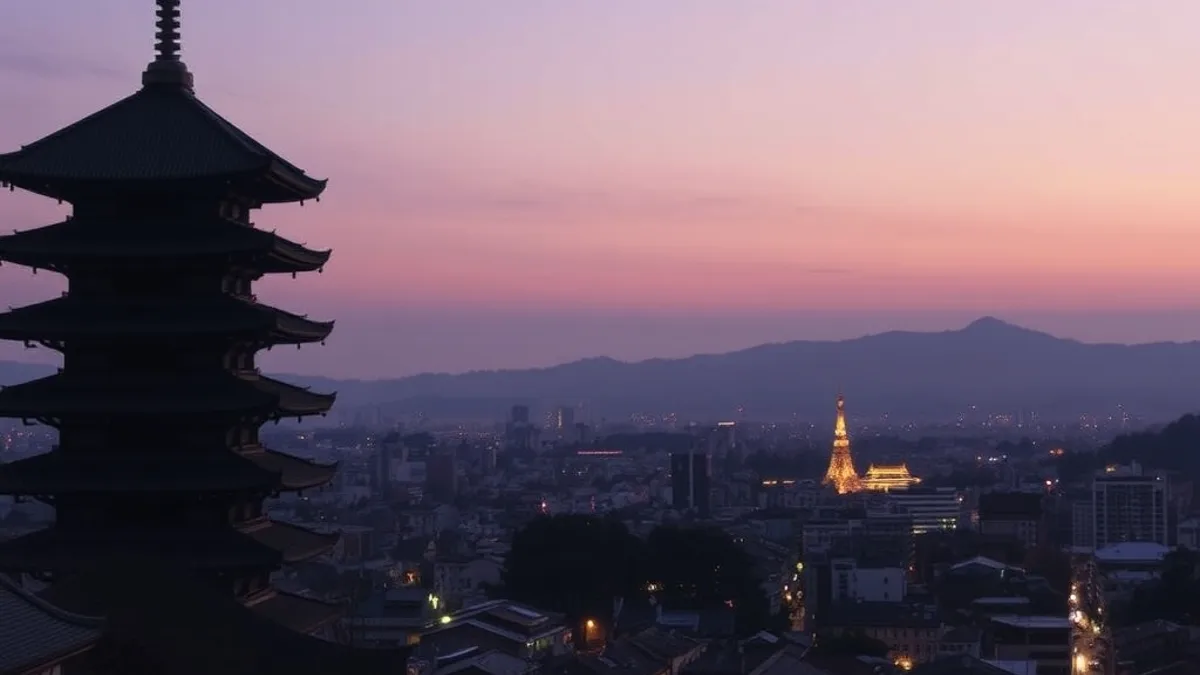
Downtown Kawaramachi and Nishiki: Best for Food and Nightlife
If you want to step out of your hotel and immediately be surrounded by places to eat, drink and shop, downtown Kawaramachi is your spot. This is Kyoto’s commercial heart, running along the Kamo River and centered on the Kawaramachi and Shijo intersections. Nishiki Market, often called “Kyoto’s kitchen,” stretches several blocks nearby, packed with stalls selling pickles, tofu, seafood skewers and sweets. Department stores like Takashimaya and Daimaru sit close by, so shopping for gifts or grabbing essentials takes minutes, not a train ride.
The riverside setting adds another layer. In the evening, the Kamo River banks fill with people strolling, and the Pontocho alley—a narrow lane of restaurants and bars along the water—comes alive. Karasuma and the surrounding blocks hold izakaya, cocktail bars and late-night spots, so nightlife is genuinely walkable rather than something you plan around.
Getting Around From Downtown
Despite being a lively hub, downtown stays well connected to the sights. Expect roughly 30-40 minutes by bus or train to reach Arashiyama in the west, while Higashiyama’s temples and the Gion district sit close enough for a short ride or an easy walk. Buses and the Karasuma and Toji subway lines put most of the city within reach.
This area suits travelers who want restaurants, bars and shops within walking distance of their front door, and who don’t mind trading quiet, old-world streets for convenience and energy. Hotel choices span from budget business hotels to stylish mid-range properties, so there’s usually something for most budgets here.
Gion and Higashiyama: Best for Old-World Atmosphere
Gion and Higashiyama are where Kyoto looks most like the Kyoto of postcards: narrow lanes lined with wooden machiya townhouses, lattice-fronted teahouses, stone-paved slopes and lantern-lit alleyways. This is the district where geiko and maiko still commute to evening appointments, and where a simple walk to dinner feels like stepping through a sliding door into the past.
The great advantage of staying here is proximity to the city’s most famous temples. Kiyomizu-dera, with its sweeping wooden stage over the hillside, is within walking reach, as are the lanes of Sannenzaka and Ninenzaka and the temple-studded slopes in between. Many travelers base themselves here specifically to reach the major sights before the tour buses arrive. A morning temple walk, when the stone paths are quiet and the light is soft, is one of the best reasons to sleep in this area.
What to Expect After Dark
Gion quiets down noticeably in the evening compared with downtown. Restaurants and bars exist, but the choice is smaller and the mood is calm rather than lively. If you want nightlife on your doorstep, the Kawaramachi area is a better fit; if you want silence and atmosphere, this is your spot.
One practical note: these are walking districts, and the terrain asks something of you. The stone-paved lanes are uneven in places and the temple slopes climb steadily uphill, so supportive footwear matters more here than in the flatter downtown streets. Your ankles will thank you by the end of a full day of sightseeing.
Who Should Stay Here
Choose Gion and Higashiyama if atmosphere tops your list: travelers who value morning walks between temples, evening strolls past teahouses and a sense of old Kyoto over quick transport links. You will typically rely on buses or a taxi to reach Kyoto Station or the downtown food scene, so budget a little extra transit time. In exchange, you get to wake up inside the most beautiful corner of the city.
Arashiyama and Northern Kyoto: Best for Scenic Calm
Arashiyama sits on Kyoto’s western edge, where the Katsura River cuts through a valley ringed by forested mountains. The famous bamboo grove is the headline attraction, but the area also offers riverside walking paths, a monkey park and quiet temple grounds that feel worlds away from the busy downtown districts. The journey into the city center is a real consideration here, since you will be riding a bus or train in and out for most of your sightseeing, so factor that daily commute into your planning.
The trade-off is choice. Accommodation options here are noticeably fewer than in the central areas, and many properties are small guesthouses, riverside inns or a handful of upscale retreats rather than big hotel blocks. Prices can lean higher for the ones with garden or river views, so it pays to browse early and compare. Dining is pleasant but limited in the evenings, and the area goes quiet after the day-trippers leave.
Who this area suits
Arashiyama works best for travelers who want a slower, nature-focused stay: early mornings in the bamboo grove before the crowds arrive, afternoons by the river, and evenings without neon. Pack comfortable shoes, because this part of the city rewards walking, from the grove paths down to the riverbank. If your itinerary spans several days in Kyoto, consider spending one or two nights here rather than basing yourself here the whole trip. That way you get the calm mornings and mountain scenery without giving up easy access to downtown restaurants and temples for the rest of your stay.
Choosing Your Stay Type and Booking Window
Kyoto accommodation comes in three broad price bands. Budget stays, including guesthouses, small business hotels and simple machiya rentals, typically run roughly $60-120 per night. Mid-range hotels and boutique properties fall between $120-250, while a luxury ryokan with full service starts from $400+ per night. Knowing these ranges early helps you match your neighborhood shortlist to what you can actually afford in that area.
Timing matters as much as budget. For the cherry blossom weeks when the city fills with hanami crowds, and again for autumn foliage from mid-November to early December, aim to book 3-6 months ahead. Rooms in the most atmospheric districts sell out first, and prices climb steadily as those dates approach. If your dates are flexible, shoulder seasons like late May-June and January-February bring noticeably lower rates and thinner crowds, making even popular areas more affordable.
Whatever your budget, I’d strongly suggest splurging on at least one night in a ryokan with a kaiseki dinner included. The multi-course meal, tatami rooms and personal service are a distinctly Kyoto experience that no regular hotel can replicate, and it’s often the stay travelers remember most.
- Check cancellation policies carefully: many small ryokan and machiya guesthouses require full prepayment or have stricter cancellation windows than international hotel chains, so confirm before locking in peak-season dates.
- Watch for per-person ryokan pricing: traditional inns often quote rates per guest rather than per room, and kaiseki dinners can be an add-on, so the final bill may differ from the headline rate.
- Consider luggage forwarding: if you split your stay between a downtown hotel and a ryokan, courier services can move your bags between properties so you don’t haul suitcases through narrow streets.
- Confirm bath and meal times at check-in: kaiseki dinners and communal baths run on set sittings, and arriving late can mean missing your reserved slot.
Wrapping Up Your Kyoto Base Decision
Choosing where to stay in Kyoto comes down to matching a neighborhood to your priorities. The station area makes travel days effortless, downtown puts food and nightlife at your doorstep, Gion surrounds you with old-world charm, and Arashiyama trades convenience for mountain and river scenery. Once you know what matters most for your sightseeing style, the right base becomes much easier to spot.
Your budget range and travel season should shape the decision too. If you are visiting during cherry blossom or autumn foliage, book several months ahead to secure a room that fits both your budget and your preferred area. Shoulder seasons give you more flexibility and lower rates. Do that, and your first Kyoto trip will have a home base that genuinely works. If this guide helped you plan, leave a comment or share it with a fellow traveler.